Vitellogenin silencing was carried out in female broodstock at early vitellogenic stages. The treated group contained 5 females, injected with 5μg/g body weight of pmVg-specific dsRNA in 200ul PBS. Two injections were performed prior to ESA and 2/3 injections were made post ESA with 3-4 days intervals. The control group received injections of 200ul PBS. At the end of the experiment 4 different tissues (Hepatopancreas, ovaries, eye stalks and brain thoracic ganglia) were collected and stored in RNAlater from all animals.
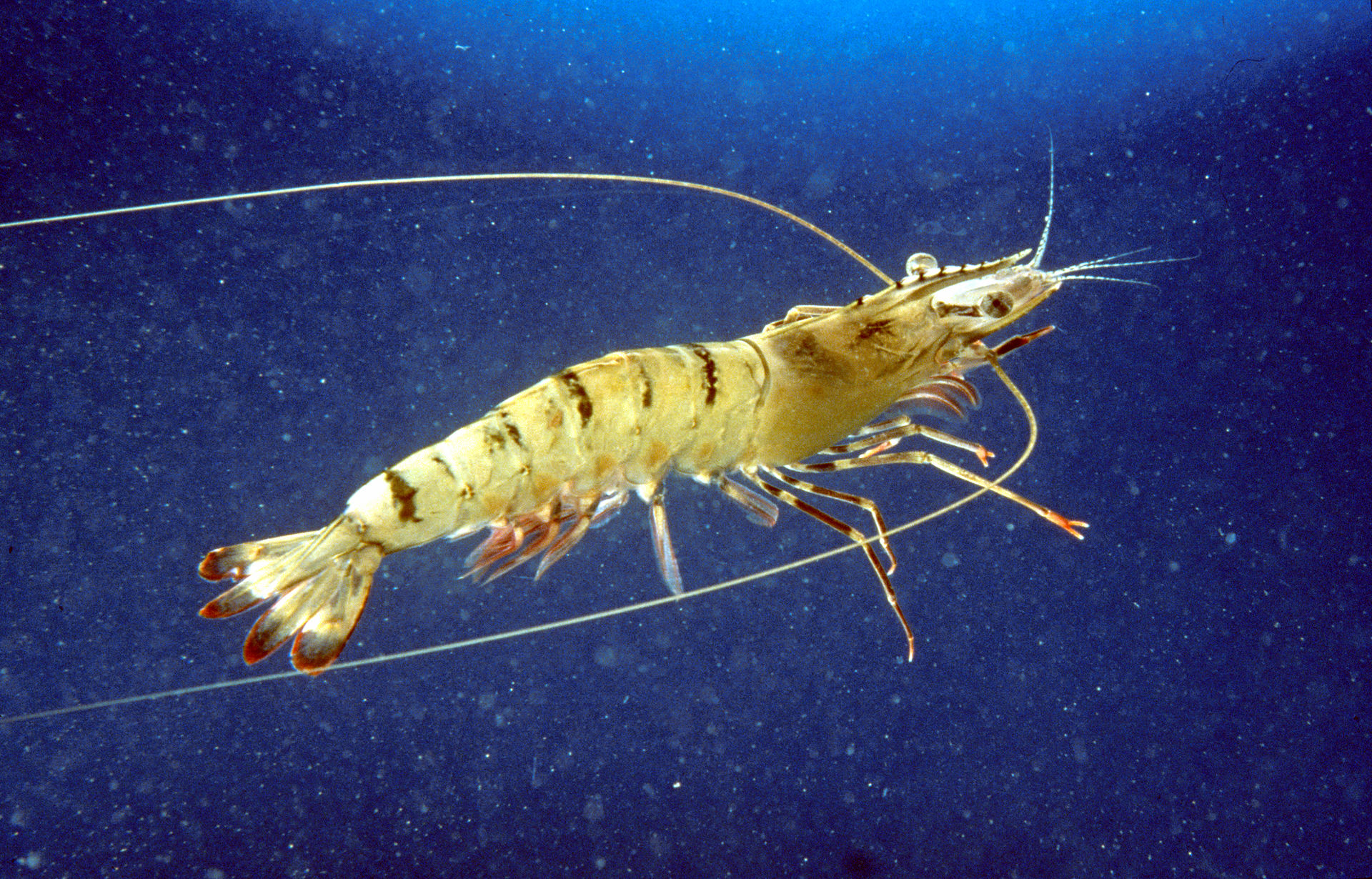
The black tiger prawn (P. monodon) is one of the most commercially important prawn species world-wide, yet there are currently key issues that hinder aquaculture of this species, such as low spawning capacity of captive-reared broodstock females and lack of globally available fully domesticated strains. To induce spawning, one of the female prawn's eyestalks is removed to induce accumulation of yolk in the ovary (a process called vitellogenesis).
We extracted RNA using RNAzolRT and sent to Novogene for library preparation (TrueSeq) and sequencing. Using NovaSeq XPlus, paired end Illumina sequencing (150 nt) was performed with the four key tissues. We produced a combined assembly using a previous Madagascar experiment and an assembly produced using the hepatopancreas sequencing from the current experiment with CLC genomics workbench (Qiagen). Reads from all samples were mapped to this combined assembly and RPKM calculated using CLC.