When it comes to creating data, we have never been so productive. But the more we have, the harder it is to interpret and share.
CrustyBase aims to unite our scientific efforts by serving as a community database for crustacean transcriptome data. Find new datasets with the Data Browser, then use the BLAST tool to find specific sequences within them.
Outage on Feb 24
16th February 2026
Our infrastructure provider will be doing server maintenance, resulting in a 2 hour service outage from 08:00-10:00 UTC on February 24.
New feature - domain search
7th March 2023
Heads up, there's a new tool on CrustyBase. Domain search allows you to search for protein domains by name, and then pull out transcripts which are predicted to encode those domains. Try searching for "GPCR" and you'll get the idea! This tool is an experiment, so please drop us some feedback if you have any thoughts on it.
OUTAGE - 14th February 2023
25th January 2023
Our infrastructure provider is rolling out software updates and has scheduled an 8-hour outage during this time. As a result, CrustyBase will be offline on February 14 from 09:00 - 17:00 AEST.
New feature: Extract
4th July 2022
Heads up, there's a new feature on CrustyBase! You can now extract data directly from CrustyBase with a set of transcript IDs. Find all available tools under the "tools" section in the navigation bar.
Funding for site development
10th May 2022
Great news! A.Prof Tomer Ventura has directed some funding towards development of new features on CrustyBase, which means that we expect some new additions to the site over the next 6 months. Watch this space for updates!
If you have access to crustacean transcriptomes, why not share them with the world?
We allow two levels of data access, so you can even share data without exposing the raw data needed for publishing. We hope that this will enable more collaboration and prevent researchers from missing out on data that would have enabled discoveries.
Import dataCrustyBase started with a great dataset that we really wanted to share.
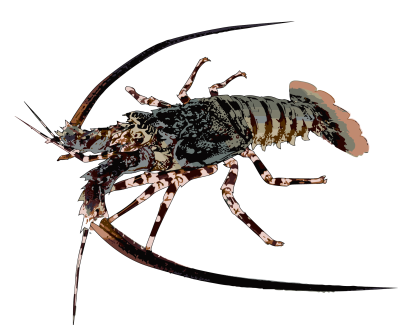
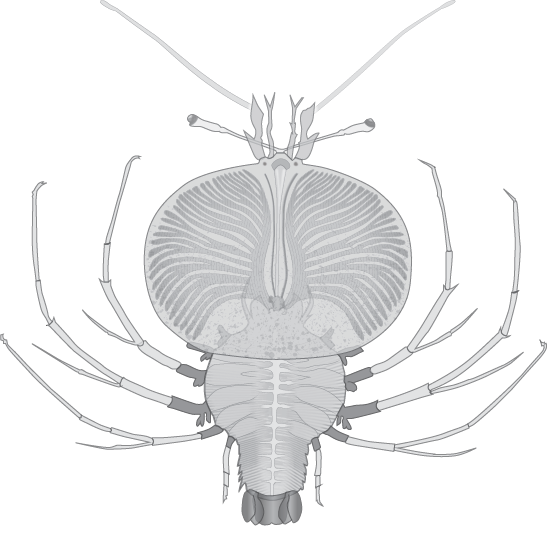
By utilizing the unique life history of the rock lobster, we generated a transcriptome series providing novel insights into arthropod development.
 BLAST
BLAST
 Browse